
Stair Hole & Lulworth Crumple
Just a few minutes’ walk from Lulworth Cove is one of the most fascinating stretches of the Jurassic Coast.
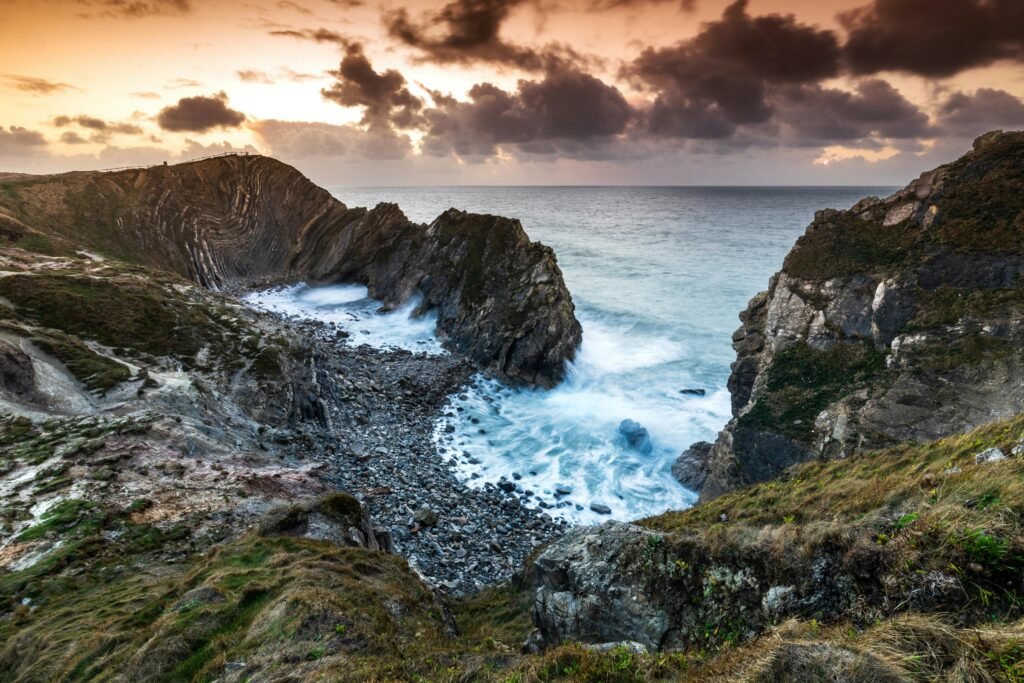
Stair Hole is a small cove where the power of the sea can be seen at work. Caves, arches, blowholes and rock stacks have formed as the coastline has gradually been eroded.
Above and around Stair Hole you’ll also see the spectacularly folded rocks known as the Lulworth Crumple — a remarkable reminder of the huge geological forces that shaped this part of Dorset.
Where is Stair Hole?
Stair Hole is immediately west of Lulworth Cove, making it very easy to include when you’re visiting the Cove.
From the main area of Lulworth Cove, it’s only a short walk to the viewpoint overlooking Stair Hole.
If you’re walking the coast path towards Durdle Door, Stair Hole is also a natural part of the route.
What is Stair Hole?
Stair Hole is a small, partially enclosed cove where the sea has cut into the different layers of rock along the coast.
Look carefully and you’ll see several stages of coastal erosion, including caves, blowholes, arches, stacks and stumps. The Lulworth Estate describes Stair Hole as an excellent place to see how erosion is continuing to shape the coastline.
There’s also a smaller, developing cove behind the harder Portland Stone. It’s thought to give an idea of what Lulworth Cove itself may have looked like thousands of years ago as it was forming.
What is the Lulworth Crumple?
The Lulworth Crumple is the spectacularly folded rock visible around Stair Hole.
The layers of sedimentary rock were originally laid down relatively flat. Later, enormous geological forces associated with the movement of the continents pushed and folded the rocks, tilting and twisting them into the unusual patterns you can see today.
You don’t need to understand geology to appreciate it.
Once you know what you’re looking at, the strange angles and curves in the cliffs suddenly become much more interesting.
Why is Stair Hole worth visiting?
It’s easy to overlook Stair Hole because Lulworth Cove is the big attraction.
But if you’re already at the Cove, it’s well worth taking the extra few minutes to see it.
It’s:
- Close to Lulworth Cove
- Easy to include in a coastal walk
- A great place for photographs
- One of the best places to see the unusual geology of Lulworth
- A good example of coastal erosion in action
And unlike Durdle Door, you don’t need to make a separate journey to see it.
Our tip: look at the rocks
Don’t just take a photograph and walk on.
Take a minute to look closely at the layers of rock around Stair Hole. You’ll see that they aren’t neatly horizontal like you might expect.
The dramatic folding is the Lulworth Crumple, and once you spot it, you’ll start noticing the unusual geology throughout the wider Lulworth area.
This is one of those places where knowing a little about what you’re looking at makes the view considerably more interesting.
Can you walk down to Stair Hole?
The best views are from the designated viewpoints above Stair Hole. Don’t attempt to climb down the cliffs or onto the rock formations. Rockfall is a natural hazard and the central ridge should not be climbed
The Lulworth Estate’s viewpoint provides good views of the formations and is the safest way to appreciate the site.
Stair Hole and Lulworth Cove
Stair Hole is so close to Lulworth Cove that it makes sense to visit both together.
You can explore the Cove, walk around the shoreline and then continue west towards Stair Hole before joining the coast path towards Durdle Door.
The area around Lulworth is particularly special because so many different geological features can be seen within a relatively small area.
How long do you need?
You don’t need to allow hours for Stair Hole itself.
Around 20–30 minutes is plenty if you’re simply visiting the viewpoint and taking a look around.
Allow longer if you’re combining it with Lulworth Cove and the coastal walk towards Durdle Door and enjoying the wider coastal area.
Staying in Lulworth
Staying in West Lulworth means Stair Hole, Lulworth Cove and the start of the Durdle Door walk are all close by.
There are cottages, B&Bs, inns and other accommodation options in and around the village.
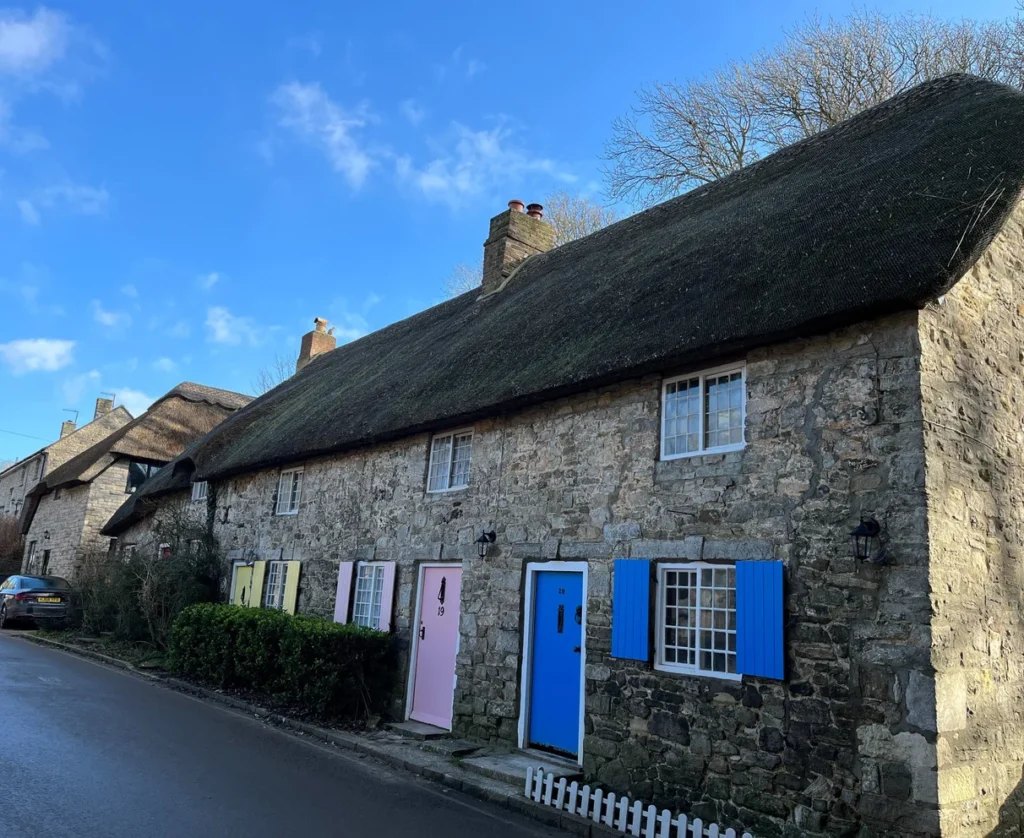
Stay in the heart of West Lulworth
If you’re looking for a small cottage, Honeysuckle Cottage is a traditional thatched cottage in the village, with private off-road parking and the beaches of Lulworth are all close by.
Plan Your Visit
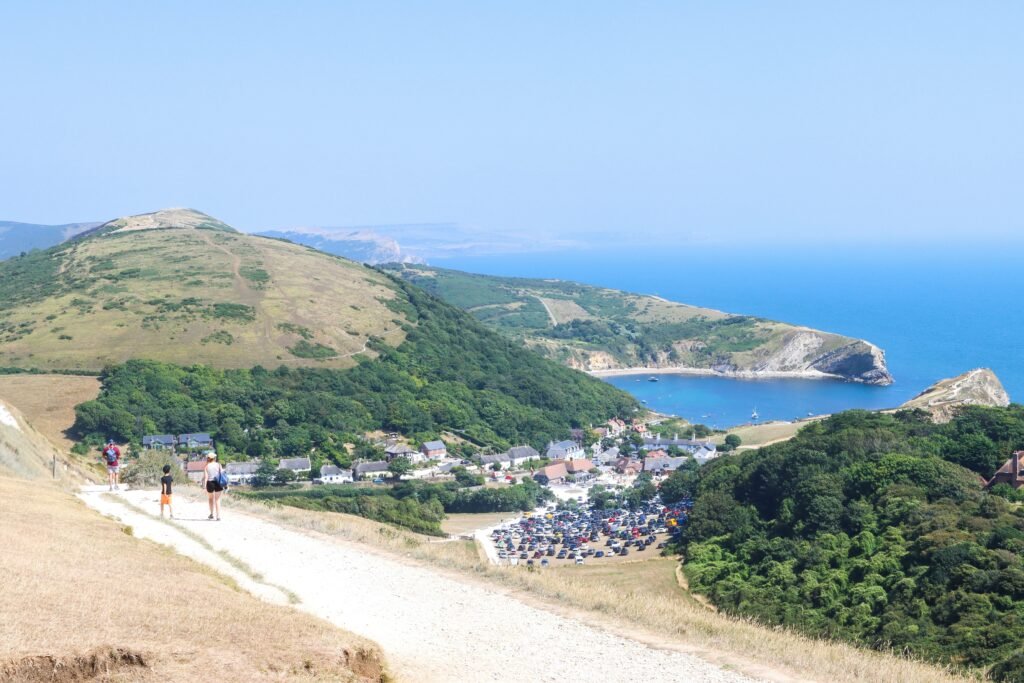
Parking, getting here, range access and other practical information.
Explore
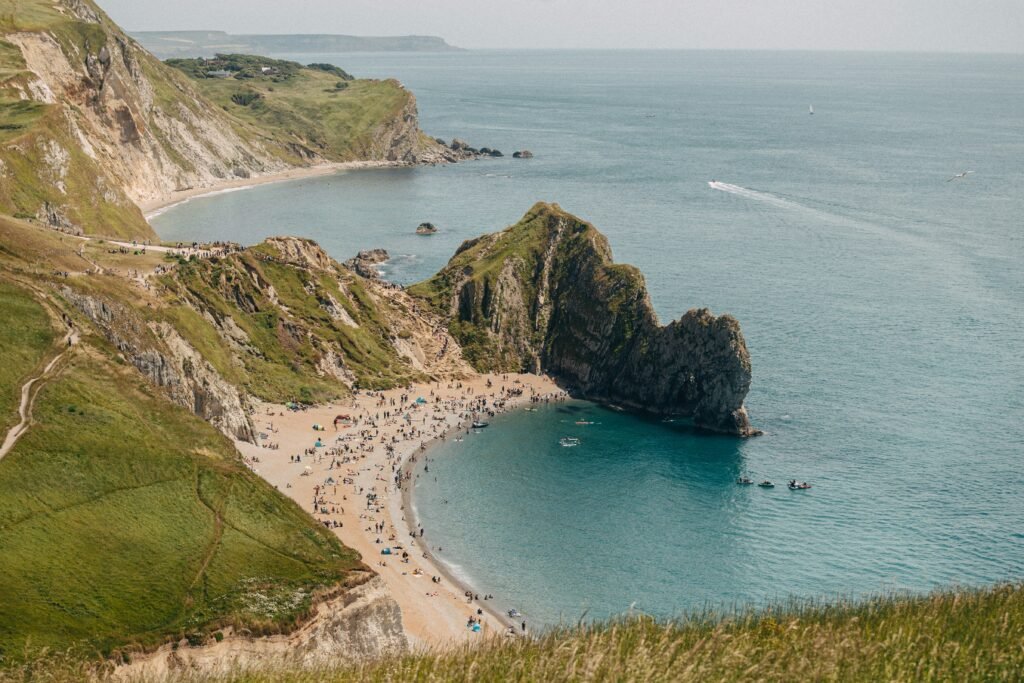
The surrounding coastline, countryside and places to explore.
Things to Do
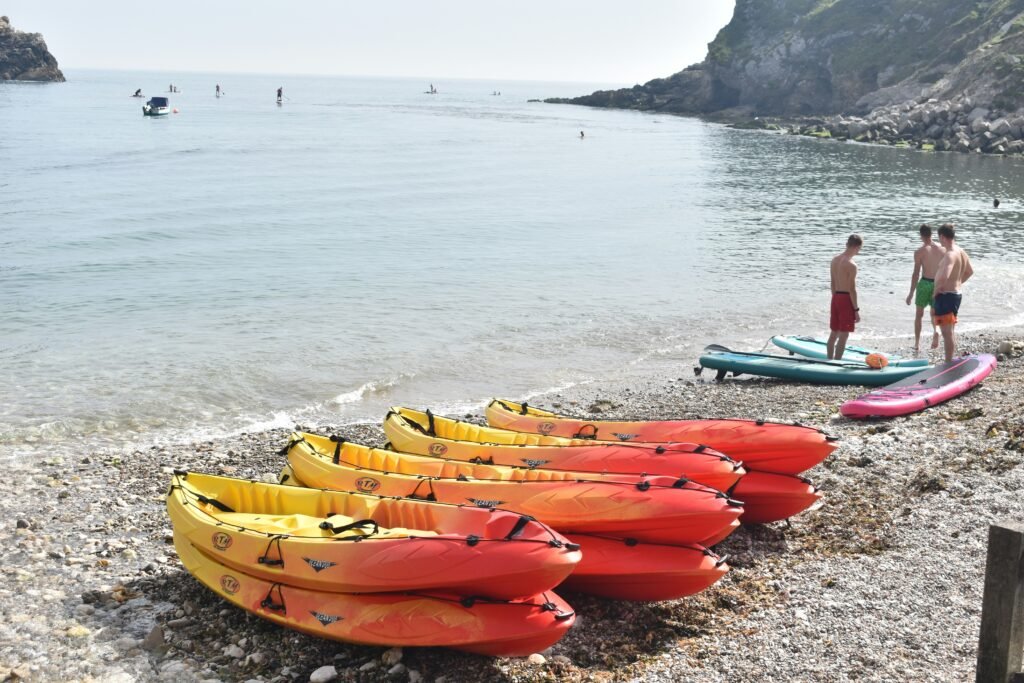
Walks, beaches, water activities, wildlife and ways to enjoy the coast.
Eat & Drink
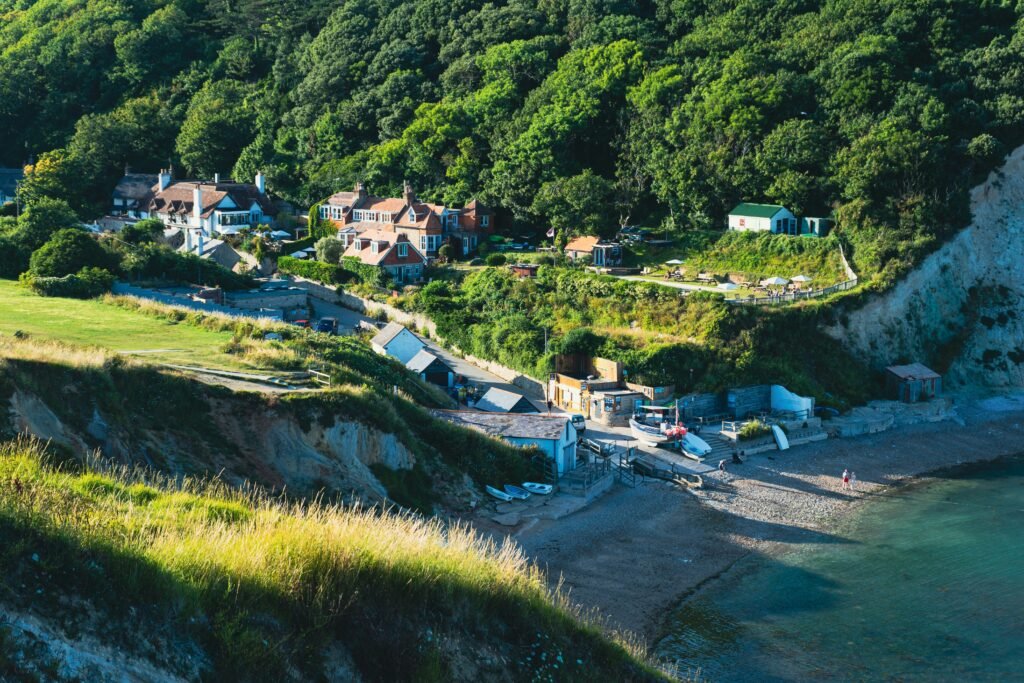
Pubs, restaurants, cafés, ice-cream parlours and shops.
Where to Stay
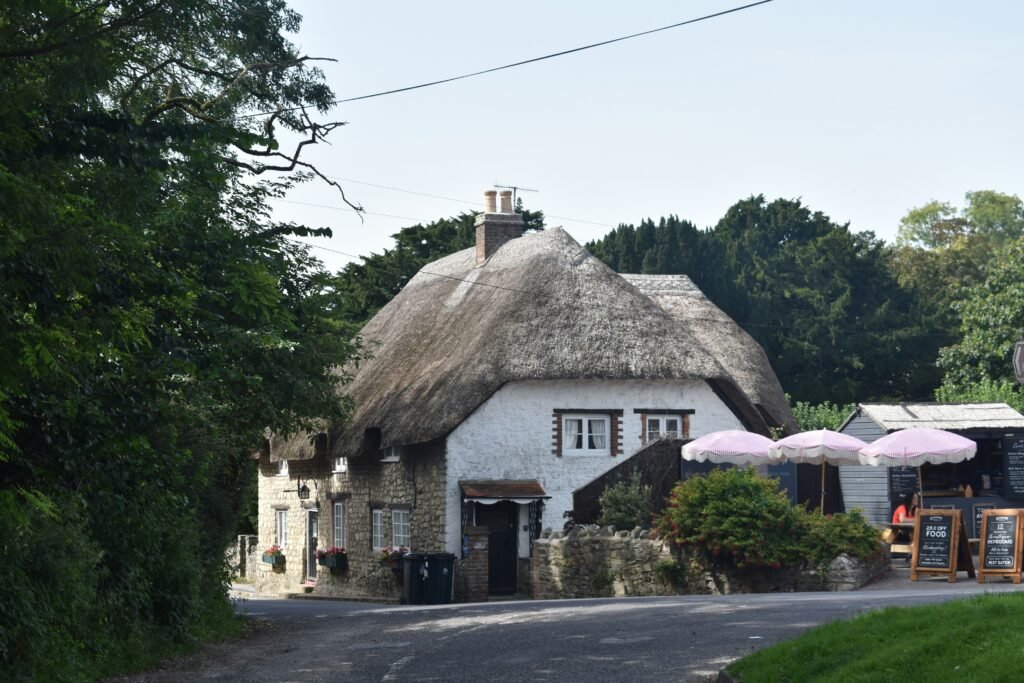
Find accommodation in West Lulworth and around Lulworth Cove.